



Ferrari’s entry into the electric era has taken an unexpected turn, with Ferrari consulting NASA for its upcoming Luce EV. While it may sound unusual, the reason is simple—this car is so fast that it raises concerns about how the human body reacts to it.

AI Quick Summary
Ferrari is developing its first electric hyper-GT, the Luce, which will deliver over 1,000 hp and extreme, instant acceleration. Concerns arose that the car’s intense, continuous G-forces could be disorienting or “disturbing” to the human body during testing. To address this, Ferrari consulted NASA, a leader in studying human reactions to extreme forces, to understand how to deliver the Luce’s performance in a way that remains comfortable and enjoyable for the driver.
This summary was generated by AI using this article’s content.
Read Next
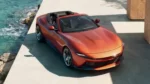

The Luce is not just another electric car. It is designed to deliver over 1,000 hp with instant acceleration, pushing the limits of both engineering and human tolerance.
What Is The Ferrari Luce EV All About?
Ferrari’s first fully electric production car is expected to arrive around 2026 and will sit at the top of its range.
Key details include:
- Quad-motor all-wheel-drive system
- Over 1,000 hp (reports suggest up to 1,100 hp)
- 0–100 km/h in under 2.5 seconds
- Top speed of around 310 km/h
- 800–880 V architecture for fast charging
- Approx. 122 kWh battery pack
- Range of over 500 km (WLTP)
The Luce is positioned as a hyper-GT, meaning it combines extreme performance with road usability, making comfort just as important as speed. Here are more details about the Ferrari’s electric platform.
Why Is EV Acceleration Becoming A Human Problem?
Electric cars behave very differently from petrol-powered Ferraris.
Unlike traditional engines, EVs deliver:
- Instant torque from zero rpm
- Continuous acceleration without gear shifts
- Smooth and uninterrupted power delivery
This creates a unique sensation where the car keeps pushing forward without pause. At very high levels, this can feel unnatural.
Ferrari CEO Benedetto Vigna has stated that such acceleration can feel “too much” and even “disturbing” to the brain if not properly managed.
What Specific Issue Did Ferrari Encounter?
During early testing of the Luce, Ferrari noticed something unusual. The car was not just fast, it was too intense in how it delivered speed.
Concerns Included:
- Strong and repeated longitudinal G-forces
- Lack of natural pauses (like gear shifts)
- Potential for dizziness or discomfort
- Reduced driver confidence during repeated acceleration
Because the Luce is a road car, Ferrari needed to ensure that performance remains enjoyable in everyday driving conditions.
Why Did Ferrari Turn To NASA?
NASA is one of the global leaders in studying how humans react to extreme forces.
Ferrari worked with NASA to understand:
- How much G-force can the human body handle comfortably
- How acceleration affects balance and orientation
- The impact on the inner ear and brain
- When acceleration becomes uncomfortable or disorienting
This research helped Ferrari move beyond engineering limits and focus on human limits.
What Did NASA Help Ferrari Measure?
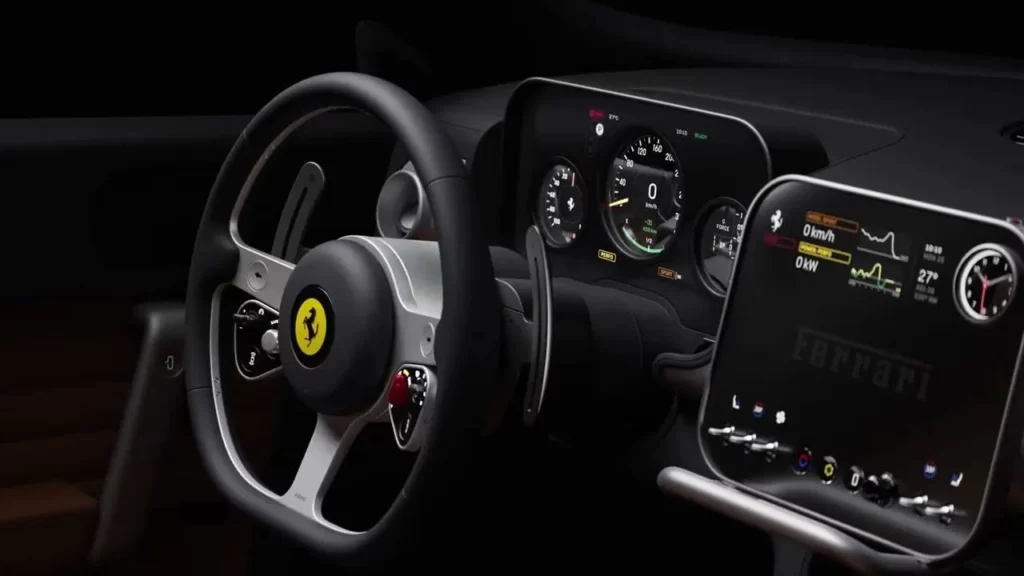
Although exact figures remain undisclosed, the collaboration likely analysed several key factors:
- Peak acceleration forces during launches
- Duration of sustained G-forces
- Rate of force increase (jerk)
- Combined effects of braking and cornering
By studying these, Ferrari could identify the point where performance shifts from exciting to uncomfortable.
How Has This Changed The Luce’s Driving Experience?
Ferrari has not reduced performance. Instead, it has refined how the power is delivered.
Key improvements include:
- Progressive torque delivery instead of instant full power
- Driving modes that adjust acceleration intensity
- Smoother transitions between acceleration and braking
- Better integration with stability and torque vectoring systems
This ensures that the car remains thrilling but does not overwhelm the driver or passengers.
What About Handling And Weight Challenges?
EVs are naturally heavier due to large battery packs, which affects handling.
Ferrari addresses this with:
- Low centre of gravity from battery placement
- Balanced weight distribution
- Advanced active suspension systems
- Precise torque vectoring using four motors
These features help maintain the sharp driving feel expected from a Ferrari, even in an electric format.
Will The Luce Still Feel Like A Ferrari?
Yes, and that is exactly Ferrari’s goal.
The brand is focusing on:
- Delivering emotional driving feedback
- Creating a unique sound experience for the EV
- Balancing acceleration, braking, and cornering
Ferrari is not just building a fast EV—it is building a Ferrari that happens to be electric.
What Does This Mean For The Future Of EV Performance?
This collaboration highlights a major shift in the automotive world.
Key Takeaways:
- Performance is no longer just about power figures
- Human comfort and perception are becoming critical
- Future EVs will be tuned around driver experience
Ferrari is setting a new benchmark by combining science, engineering, and human psychology.
Why NASA’s Role Matters
Ferrari turned to NASA not because it lacked capability, but because it is pushing into uncharted territory. At over 1,000 hp, the Luce’s performance is already extreme. The real challenge is making that performance usable, enjoyable, and safe for humans.
By working with NASA, Ferrari ensures that its first electric car delivers not just speed, but a balanced and refined driving experience worthy of its name.
Find the best cars for sale in the UAE.
Stay tuned to UAE’s most popular auto blog for more information about the latest happenings in all of the Emirates.
Ferrari’s entry into the electric era has taken an unexpected turn, with Ferrari consulting NASA for its upcoming Luce EV. While it may sound unusual, the reason is simple—this car is so fast that it raises concerns about how the
