



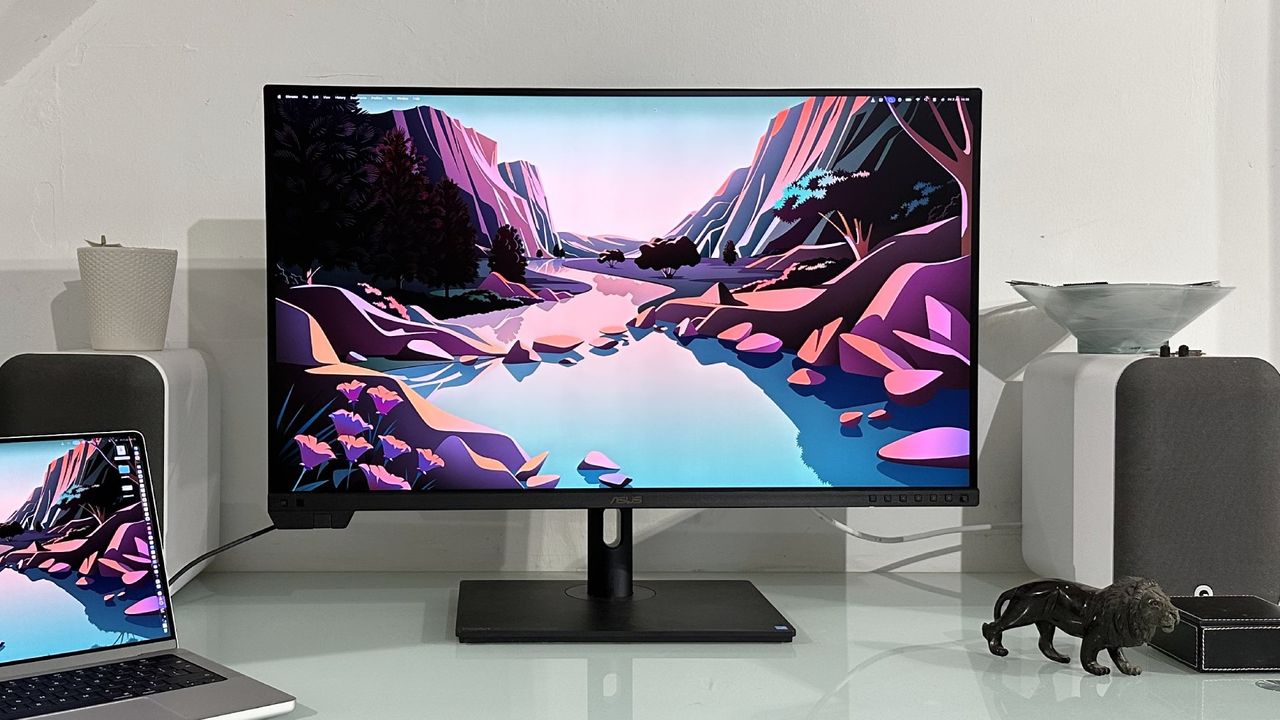
You might want to be sitting down for this. The Asus ProArt PA32KCX clocks in at just under $8,800. Undoubtedly, this 32-inch monitor is a technical tour de force. But $8,800? Really?
The highlights among a long list of impressive specifications that go at least some way to justifying that staggering sticker price are 8K native resolution, an IPS panel with 4,032 dimming zones, 1,200 nits of peak HDR brightness, a motorised colorimeter for automated calibration and utterly comprehensive connectivity.
No question, then, this is one of the most highly specified displays on the market today. By some metrics, for instance, it positively blows away the likes of the Apple Pro Display XDR, which offers a mere 6K resolution and 576 dimming zones.
Speaking of 6K monitors, some models make for a rather uncomfortable comparison with the Asus ProArt PA32KCX. Take Asus’s own ProArt PA32QCV. That’s a 6K monitor that can be had for literally one eighth the price of this 8K monster. Can the jump from 6K to 8K really be worth that much?
And, more generally, how can this megabucks monitor justify itself against the best business monitors we’ve tested, all of which are far cheaper? Time to find out.
Asus ProArt PA32KCX: Design and features
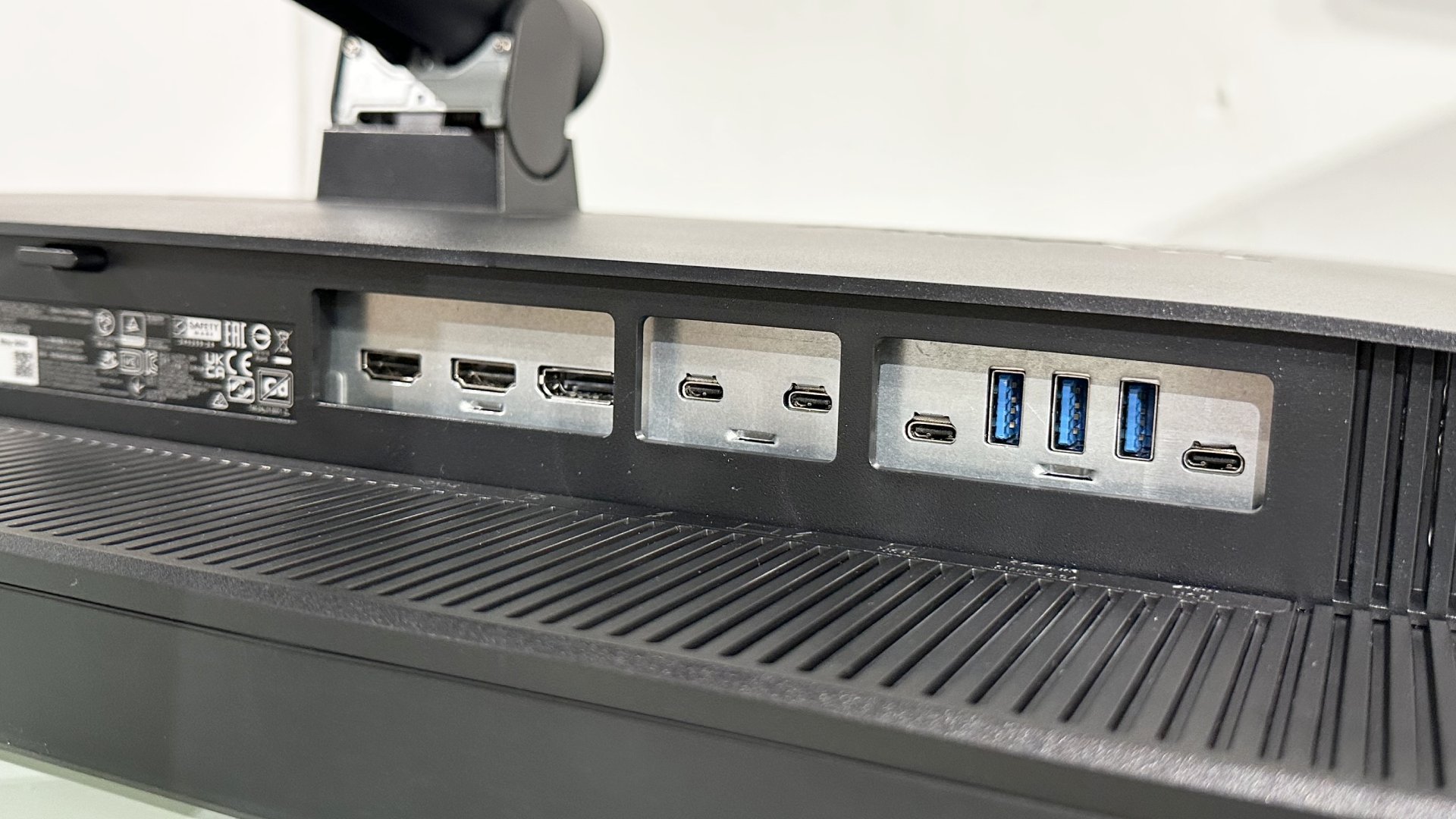
- Utterly comprehensive connectivity
- Automated calibration
- Underwhelming build quality
Panel size: 32-inch
Panel type: IPS
Resolution: 7,680 x 4,320
Brightness: 1,200 nits
Contrast: 1,000:1 (static)
Pixel response: 5ms
Refresh rate: 60Hz
Color coverage: 97% DCI-P3, 95% Adobe RGB
HDR: Display HDR 1000
VESA: 100mm x 100mm
Connectivity: HDMI 2.1 x2, DisplayPort 2.1 x1, Thunderbolt 4 x2 with 96W PD, USB hub with USB-C x1 and USB-A x3
When you’re charging the thick end of $10,000 for a PC monitor, that does rather raise expectations. And the Asus ProArt PA32KCX doesn’t meet them in every regard.
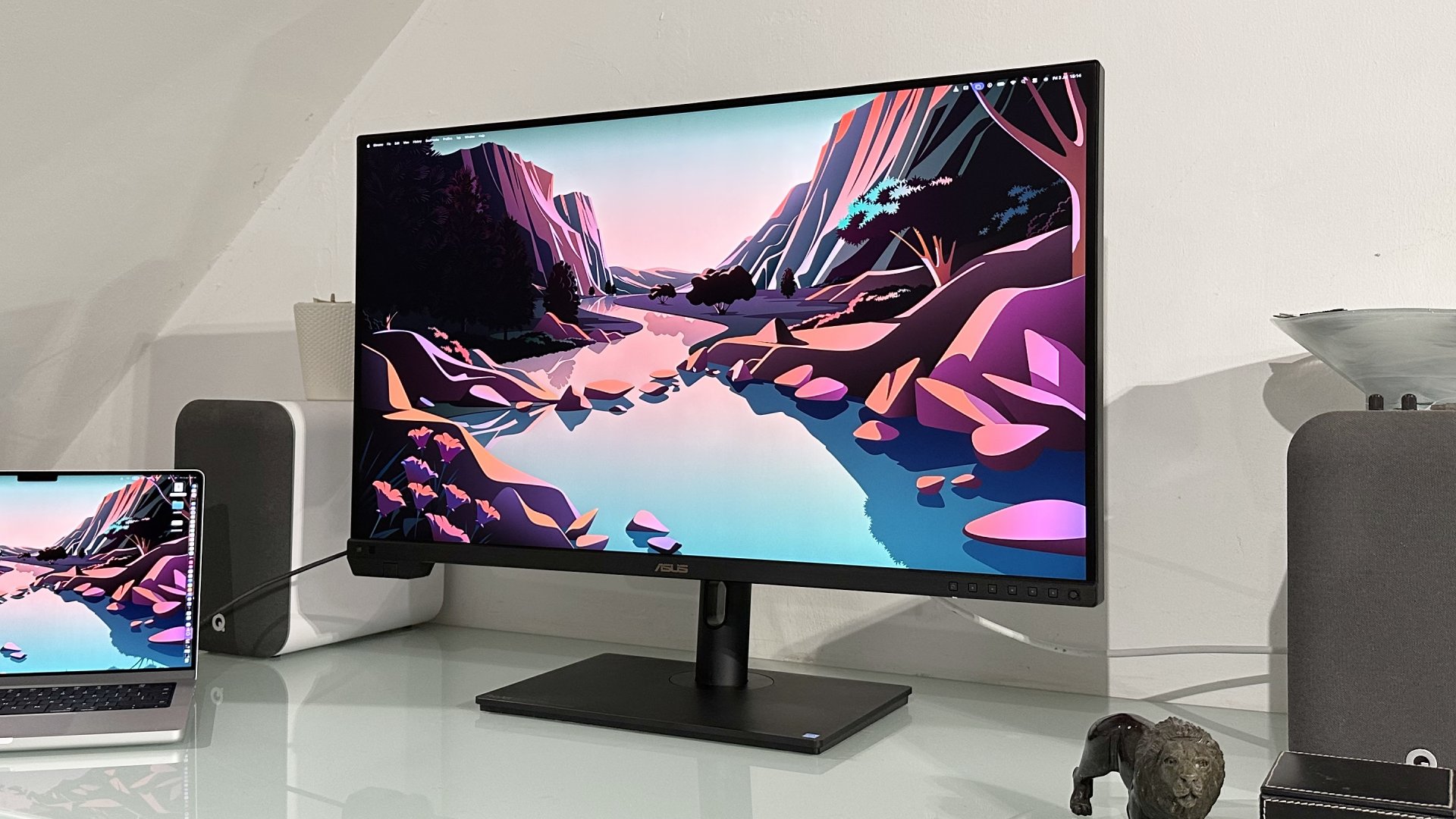
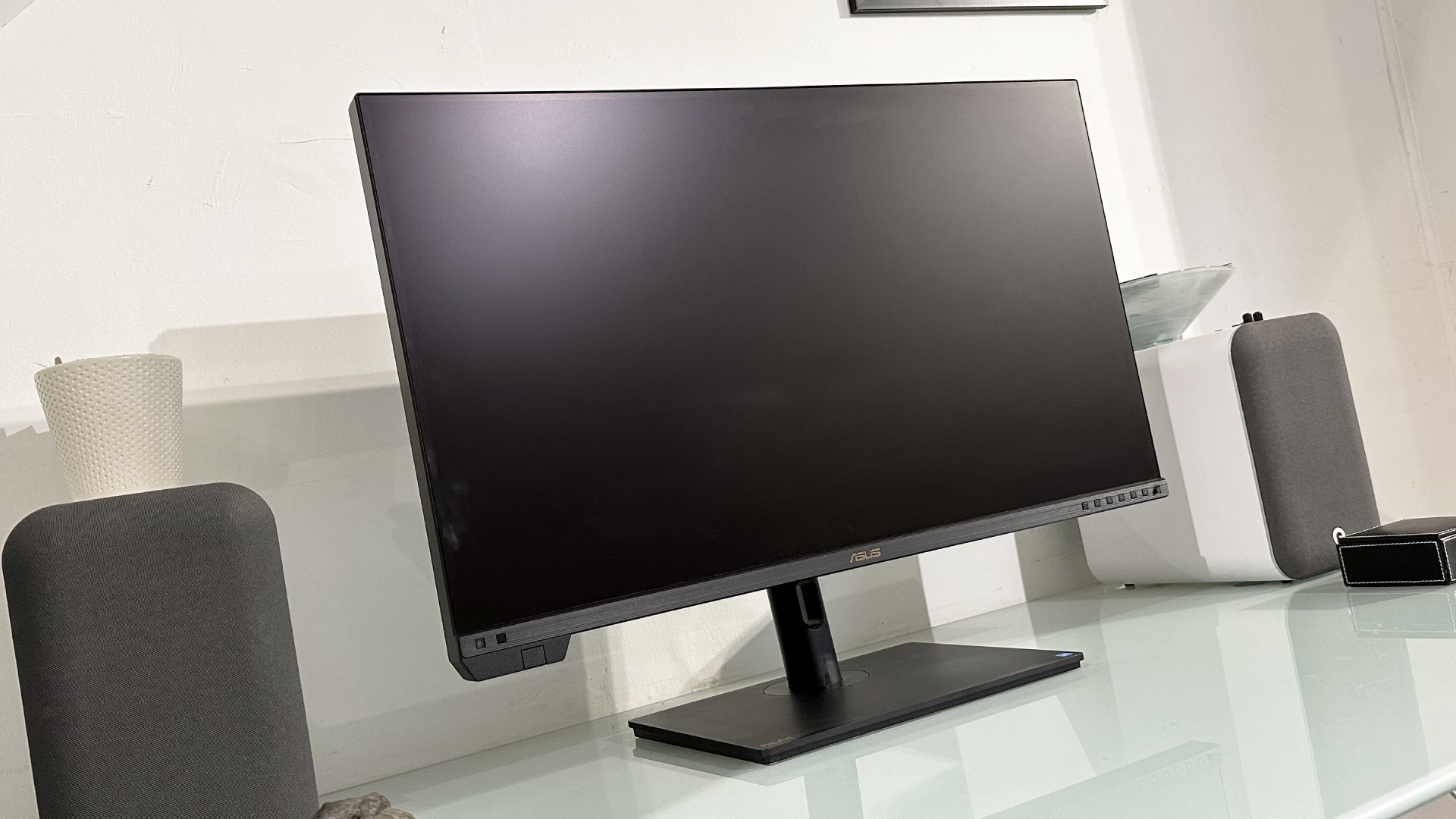
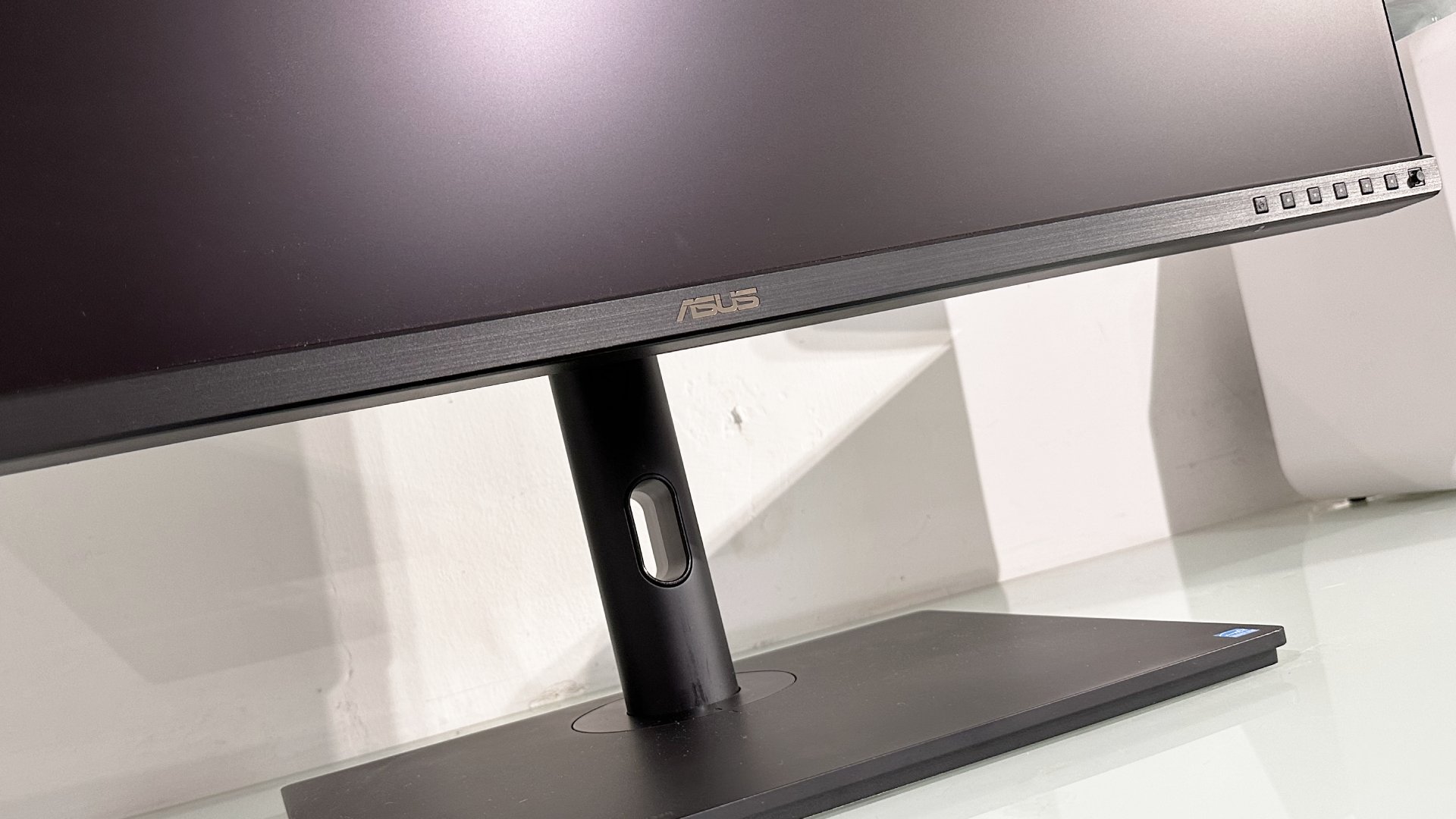
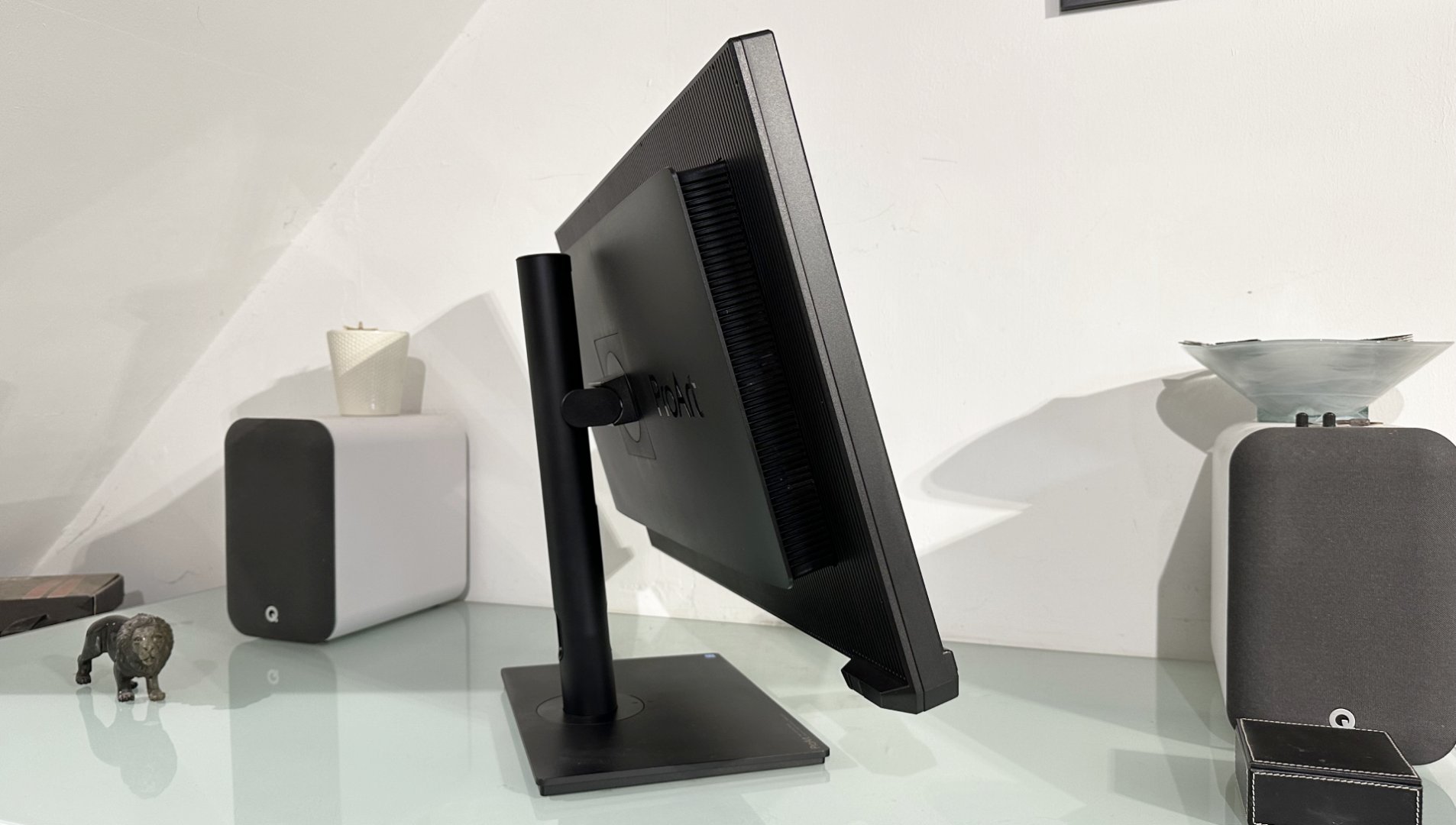
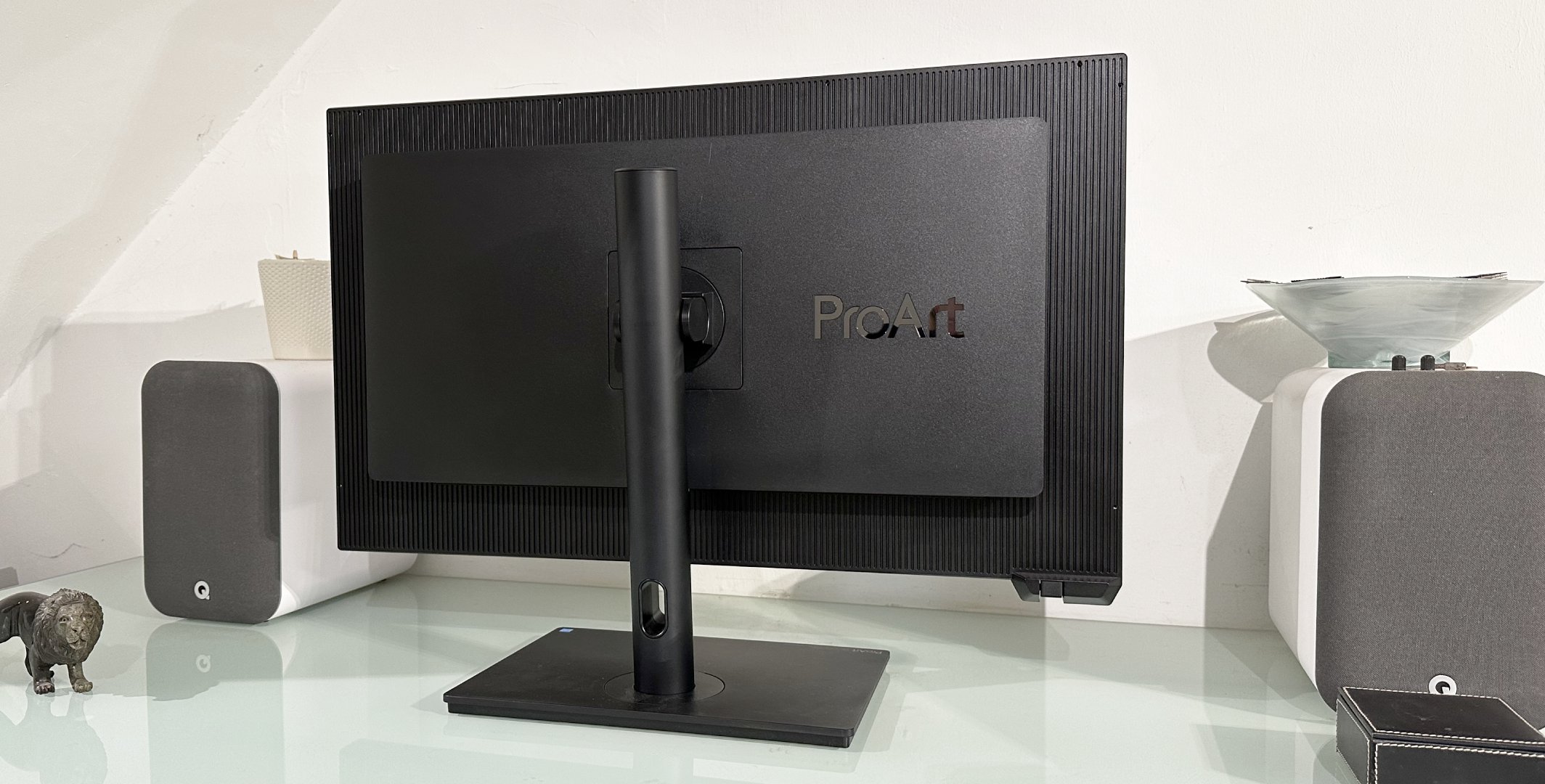
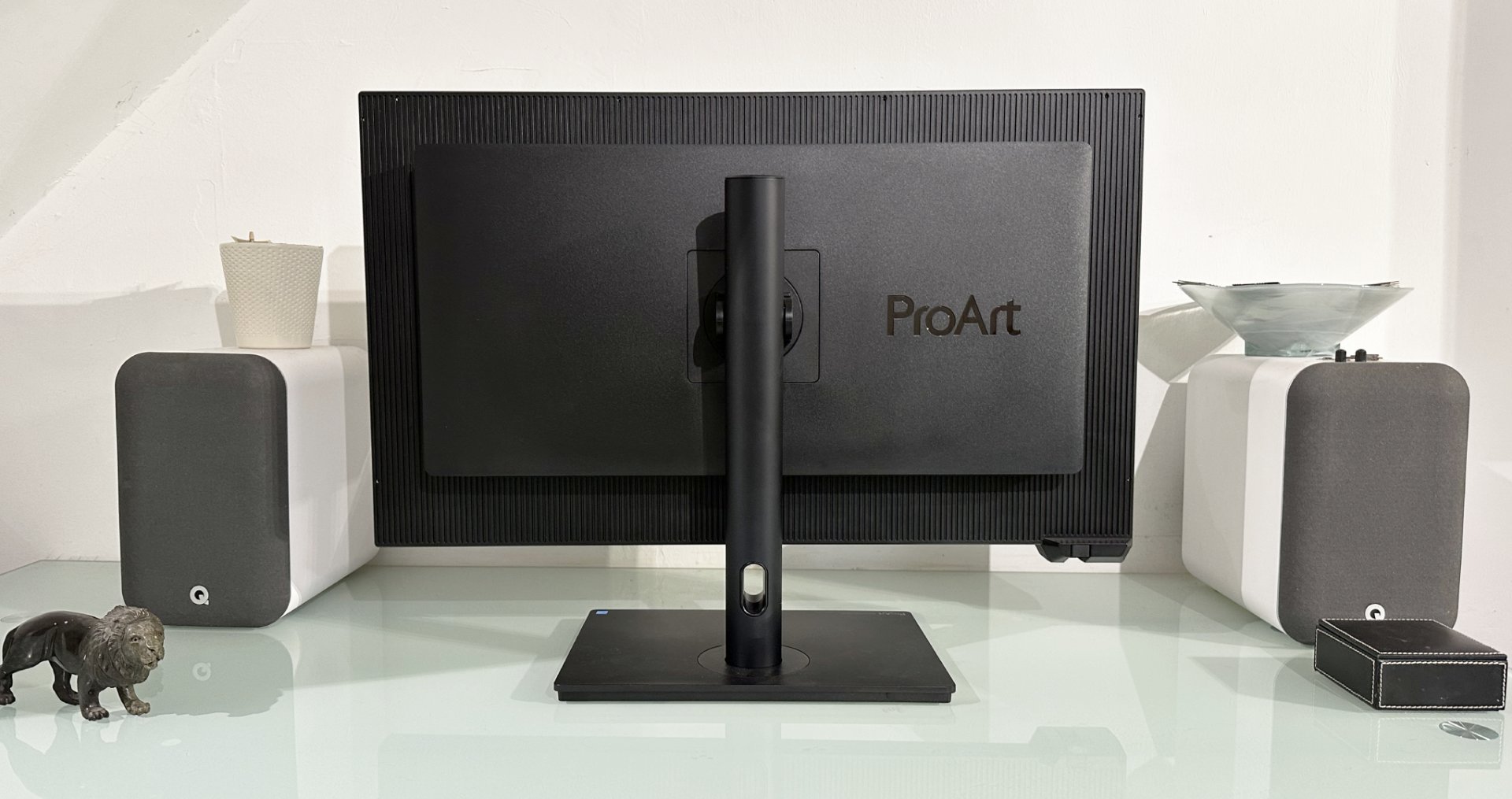
The main problem is distinctly underwhelming build quality. Compared to any given mainstream monitor, the plastic chassis is perfectly functional. But at this price point, it feels thoroughly low rent.
The I/O panel on the rear looks particularly cheap for such an expensive display and the usual plastic creaks and groans as you adjust the height, tilt or swivel of the display really stand out. Again, all of this is normal for, say, a $500 monitor, or even a $1,000 panel. But at $8,800, you might expect better.
No question, the Asus ProArt PA32KCX isn’t even in the same galactic super cluster for build and engineering as Apple’s Pro Display XDR and its lush all-alloy materials. That said, in terms of features, the ProArt has any Apple display comprehensively beaten.
Connectivity is a particular strong point with HDMI, DisplayPort, USB-C, Thunderbolt and more all included. There’s also a KVM switch, display daisy chaining support and a USB hub. So, pretty much every eventuality is covered.
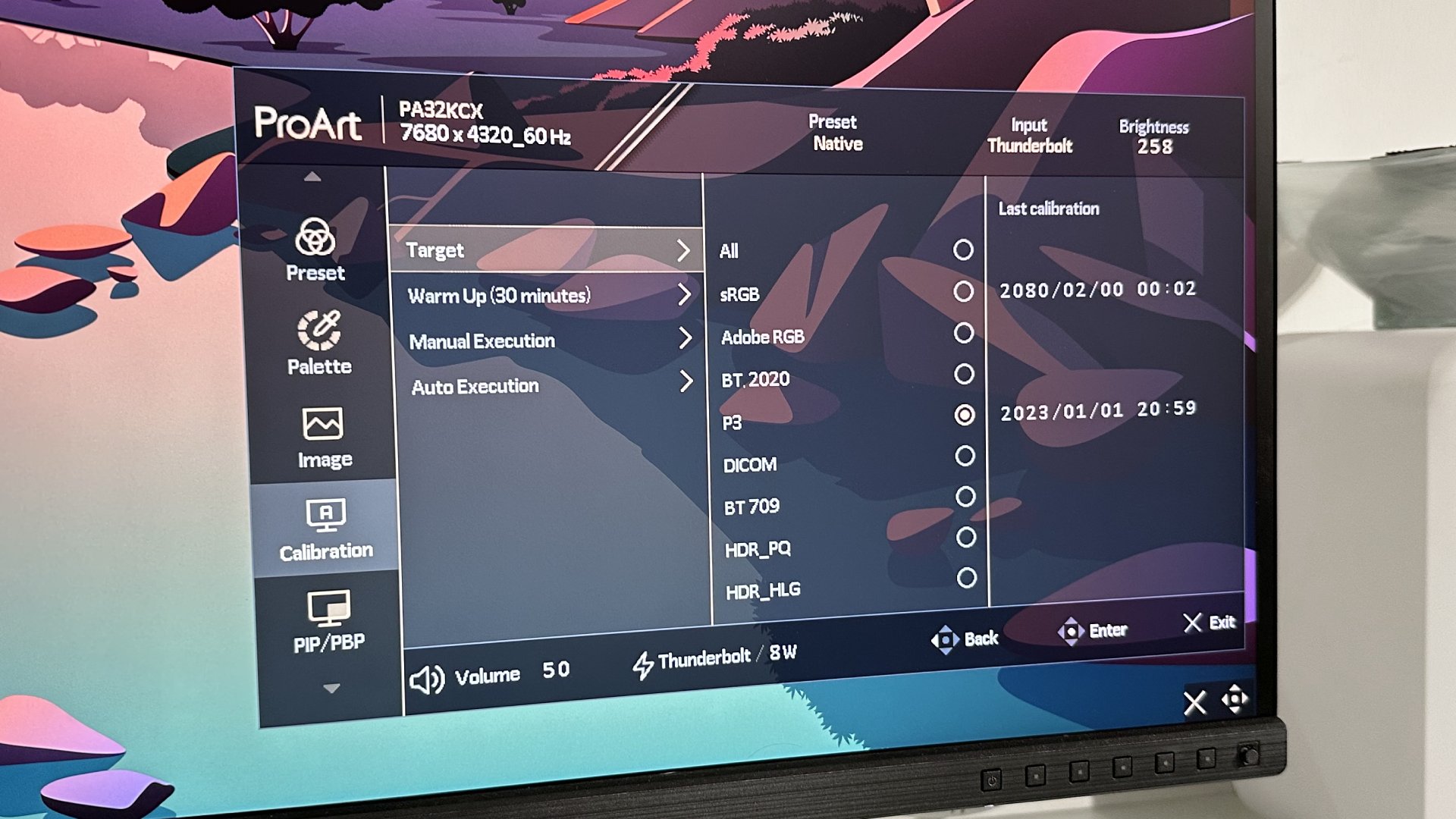
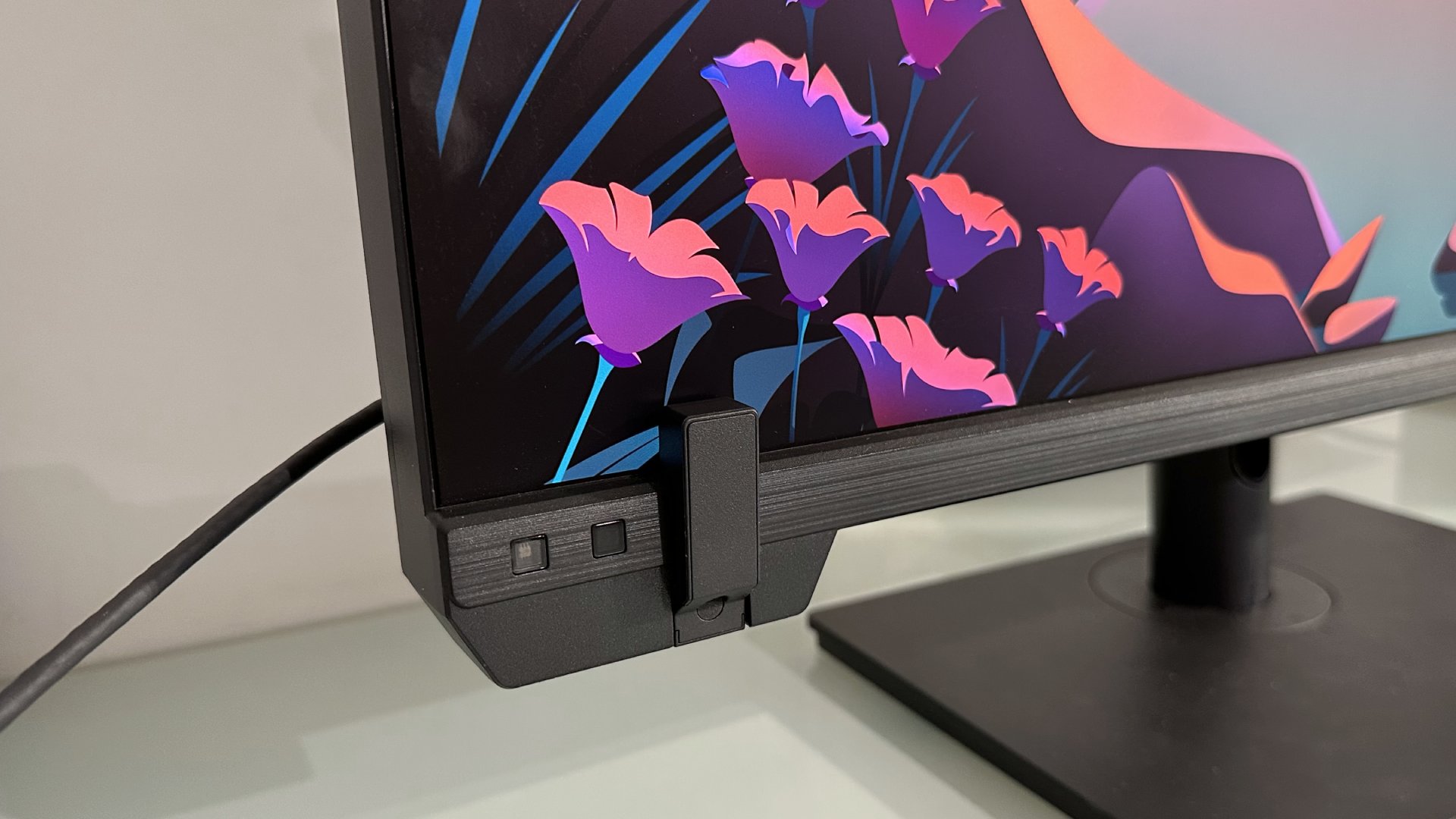
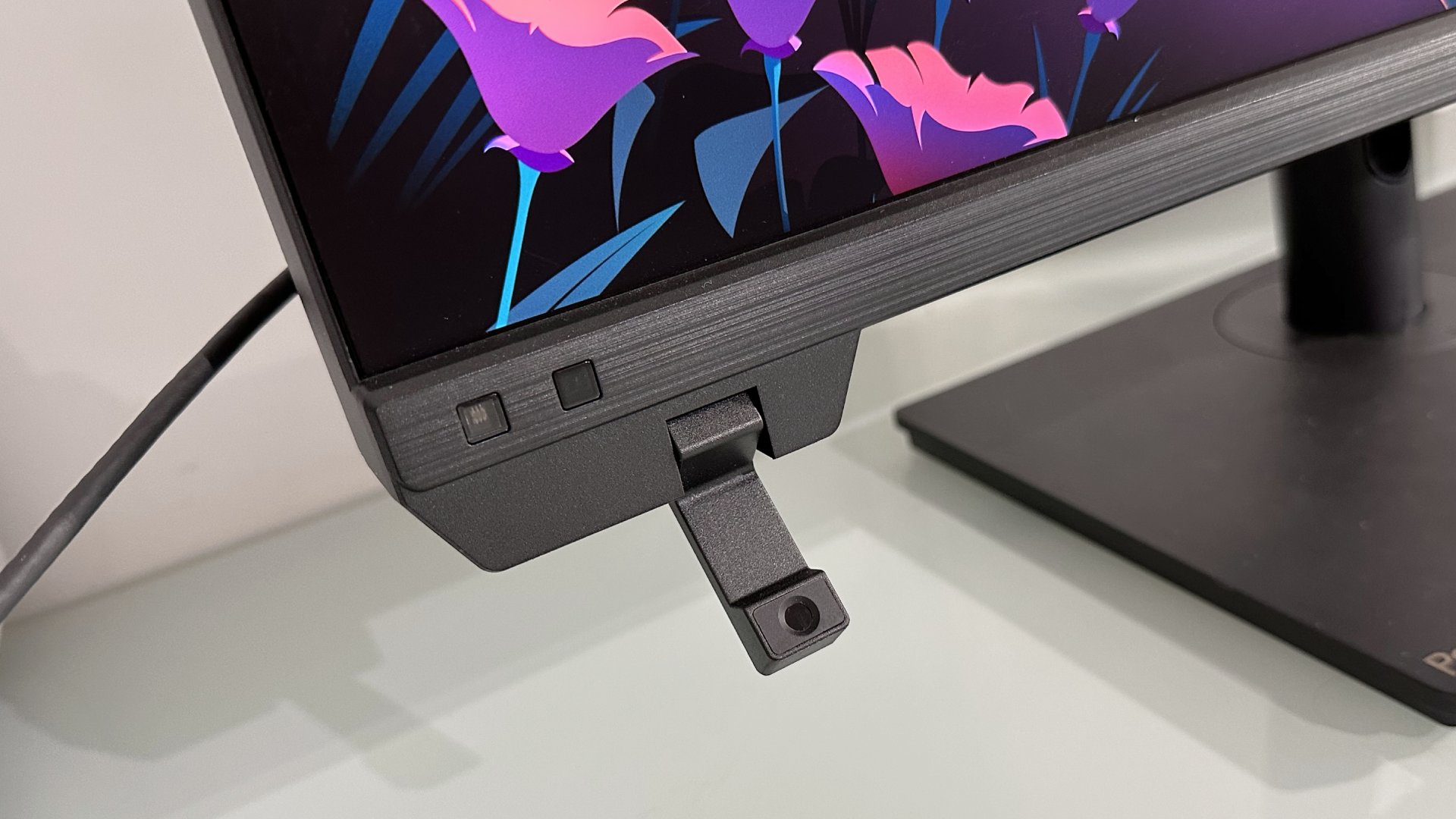
The motorised colorimeter is pretty nifty, too. It swings out from the bottom left of the display, allowing the ProArt PA32KCX to self-calibrate any among the long list of colour spaces it supports. What’s more, that calibration can be scheduled to take place automatically at regular intervals.
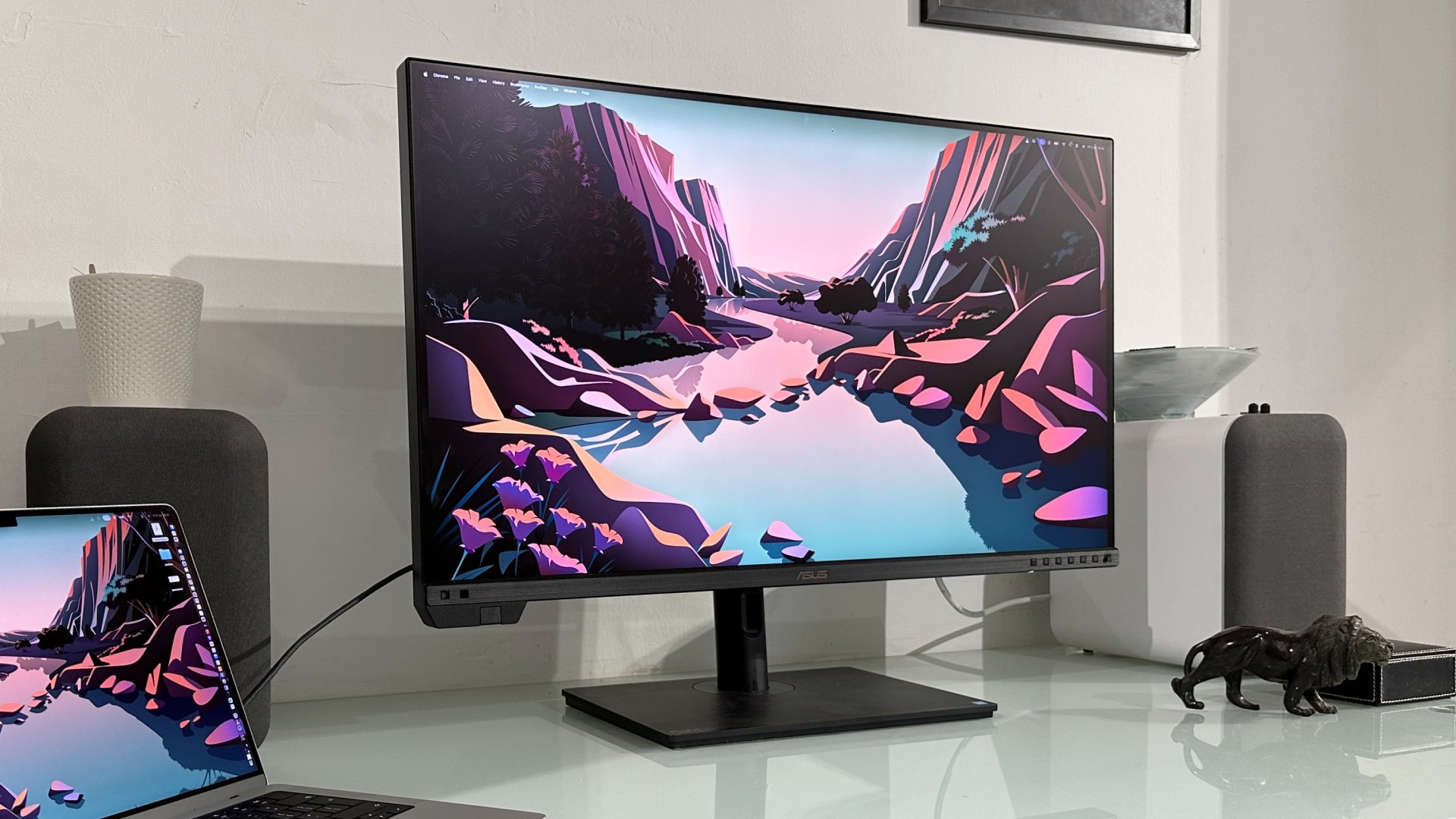
You also get proper Mac support including brightness controls directly in MacOS when enabling HDR. In short, this is a very highly specced monitor, it’s just not a beautifully engineered monitor.
Asus ProArt PA32KCX: Performance
- Incredible pixel density
- Local dimming is hit and miss
- Noticeable fan noise
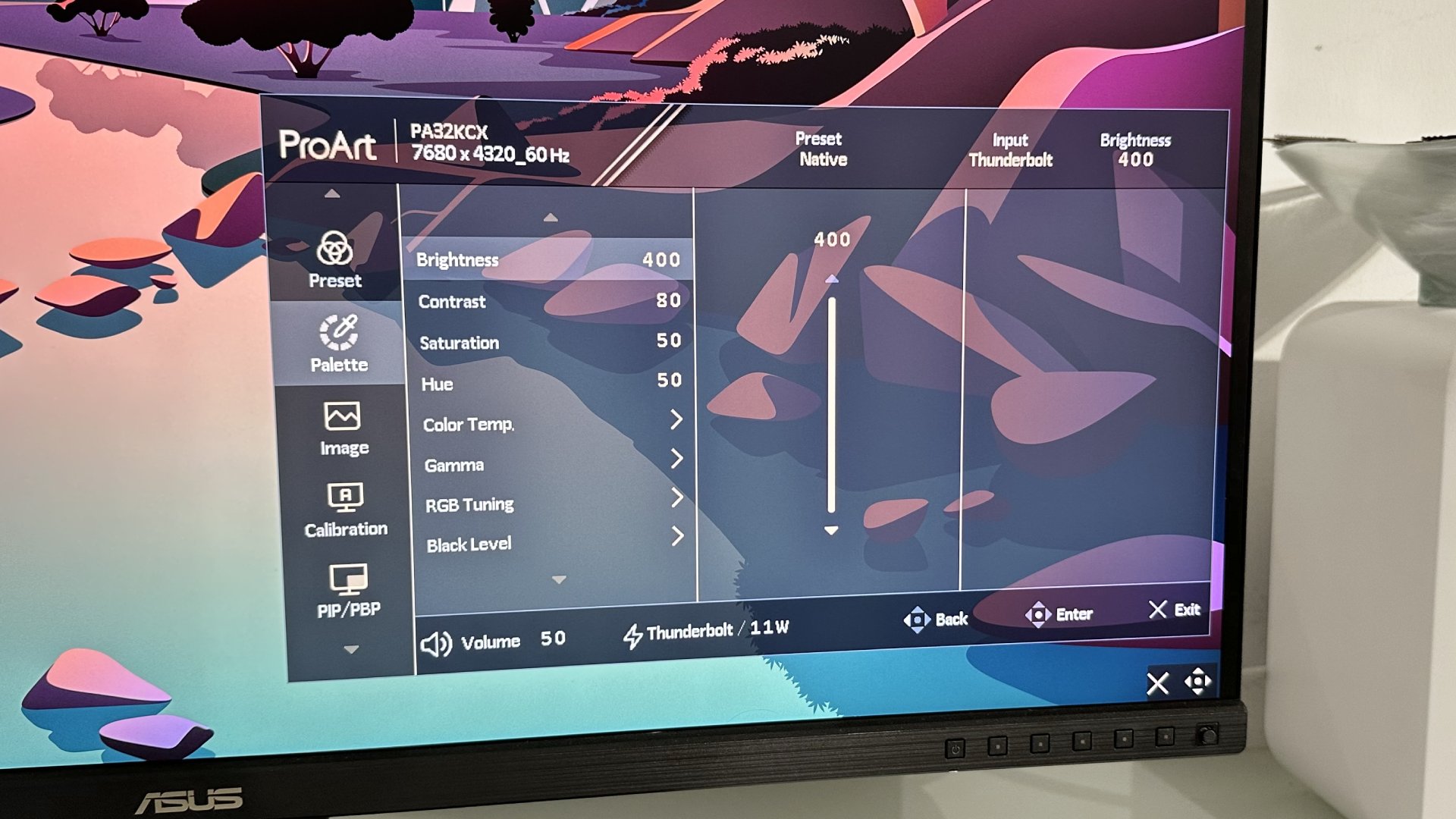
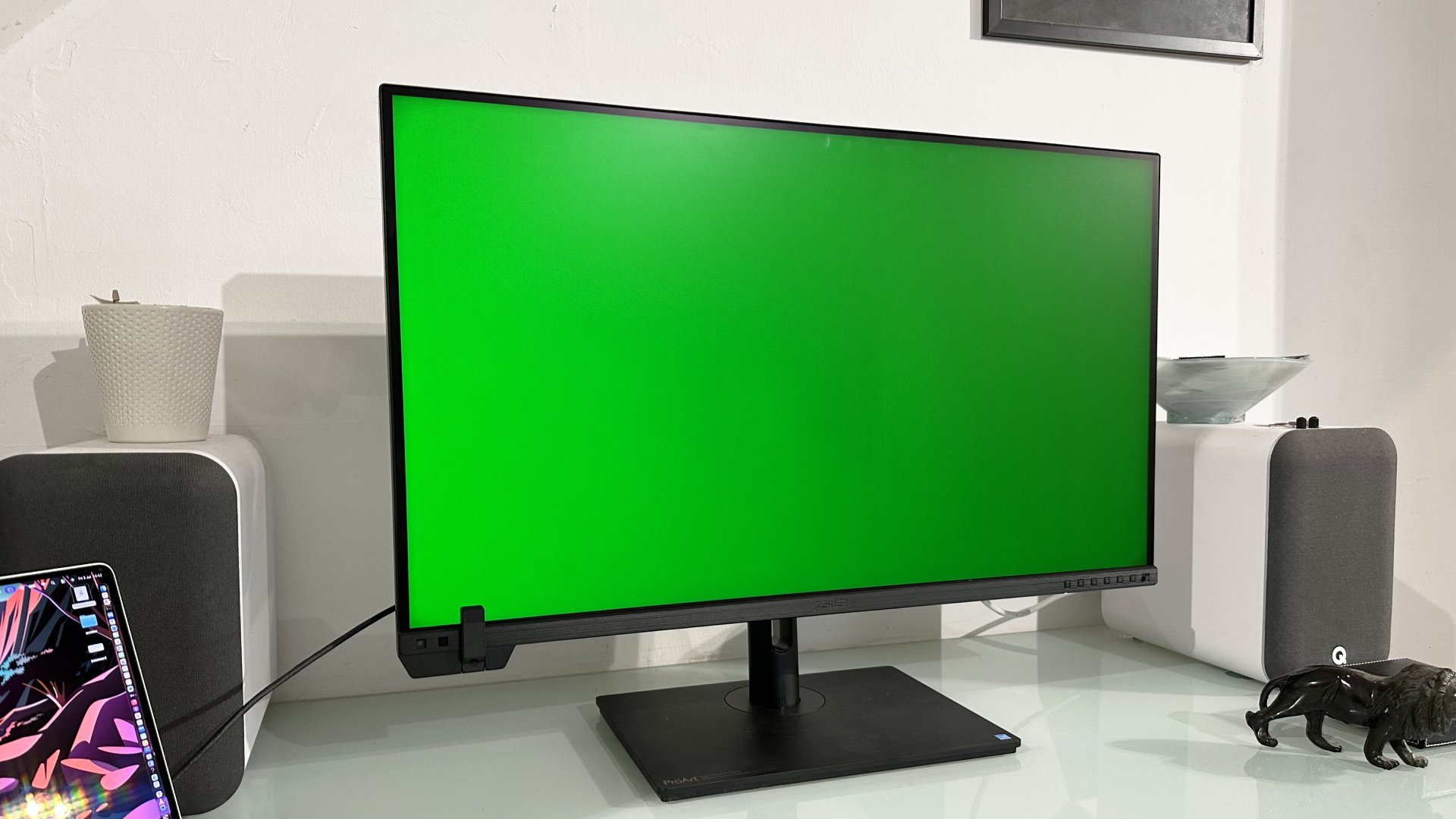
For a lot of applications, 8K native resolution is overkill. Just to clarify, that’s 7,680 by 4,320, over 33 million pixels or four full 4K grids crammed into this 32-inch display. The pixel density works out to a staggering 275 DPI. That’s smartphone territory and double the density of a 32-inch 4K monitor.
In many ways, the most apt comparison is with 6K 32-inch displays, which come in a little over 200 DPI. In terms of aspects like text rendering, the benefit of 8K over 6K in daily use is marginal.
Likewise, you’re not really getting any extra usable screen space. You’ll likely use similar scaling settings whether you go for 6K or 8K. And, you can get 6K monitors for as little as around $1,000. So, where does the benefit of 8K come in?
That’ll be professional video and image editing. Broadly, there are two upsides. For video, the 8K resolution allows you to view and edit content in full 4K while leaving oodles of space for toolbars, timelines and the rest. 4K video pixel-for-pixel at full resolution occupies just a quarter of the screen. Remarkable.
As for image editing, well, high resolution images look absolutely stupendous on this monitor. The detail really is breathtaking. There’s a practical benefit, too, in the sense of more easily assessing image detail, less need for zooming in and so on. Frankly, once you’ve edited images on this thing, a 4K monitor feels a bit clunky.
The other really significant feature is the local dimming. This is an LCD panel with full-array backlighting rather than an OLED panel. Asus has configured it with 4,032 zones, which is very high by the standards of this type of mini-LED backlight. But it still isn’t anything like per-pixel lighting.
The results are fairly mixed. I’ve certainly seen worse local dimming implementations. But you can still detect plenty of evidence of the backlight at work. There are lots of tell tale signs, even flaws, like the mouse pointer going dim over dark backgrounds, visible brightness gradients across the screen. In the right circumstances you can even see lighting zones popping on and off.
All of this is somewhat inevitable with mini-LED backlight tech. But it has to be said that Apple’s backlight algorithms are definitely better. It’s very notable when, for instance, you have a MacBook Pro with similar backlight technology next to this display, just how much more consistent and refined its backlight algorithm is.
Admittedly, the backlight mostly works really well for HDR video. This panel has some serious pop and with over 4,000 dimming zones and up to 1,200 nits of peak brightness, much of the time there’s enough precision to do real justice to HDR content.
But, day-to-day, the shortcomings are obvious enough that you may actually want to turn local dimming off, at which point you are looking at an awfully expensive IPS panel with very limited contrast compared to an OLED panel.
Of course, it’s a really lovely IPS monitor, with full 10-bit-per-channel and all that good stuff. But, wow, is it pricey. And, of course, it only runs at 60 Hz, which is another example of the ways in which you have to compromise to have that 8K resolution. As is the, on occasion, very noticeable and quite distracting noise from the cooling fans.
Asus ProArt PA32KCX: Final verdict
The Asus ProArt PA32KCX has some pretty obvious shortcomings. The build quality is ordinary and its local dimming algorithm could do with some work. For $8,800, those issues are pretty hard to stomach. Indeed, by several metrics including lighting control, speed, viewing angles and more, the latest 4K 32-inch OLED monitors comprehensively wallop this IPS monitor and its mini-LED backlight.
But here’s the thing. If you want 8K, you simply can’t have that with OLED technology. Indeed, there are very few options, period. And there are undoubtedly benefits to 8K in a content creation context. Once you’ve seen high resolution images on this panel, going back to 4K really does feel like a major step backwards.
So, the value proposition offered by the Asus ProArt PA32KCX won’t make sense for most users, even most creative professionals. That’s especially true when even the likes of Asus itself, not known for its sharp pricing, will do you a similarly sized 6K monitor for about an eighth the price.
Admittedly, this monitor is incredibly well specified when it comes to connectivity. Some creative professionals will also really appreciate features like automated self calibration. And if you have the kind of very particular workflows that will benefit from 8K specifically, well, you may just be able to make the numbers add up. But for everyone else, a 6K monitor for way less money such as Asus’s own ProArt PA32QCV model almost certainly makes more sense.
For more ultra-high-resolution displays, we’ve reviewed the best 5K and 8K monitors.

