



- Navy drones secretly sent signals to China for several months
- Kraken admits it lost confidence in its own drone platform
- Chinese-made camera parts were fitted without proper origin checks
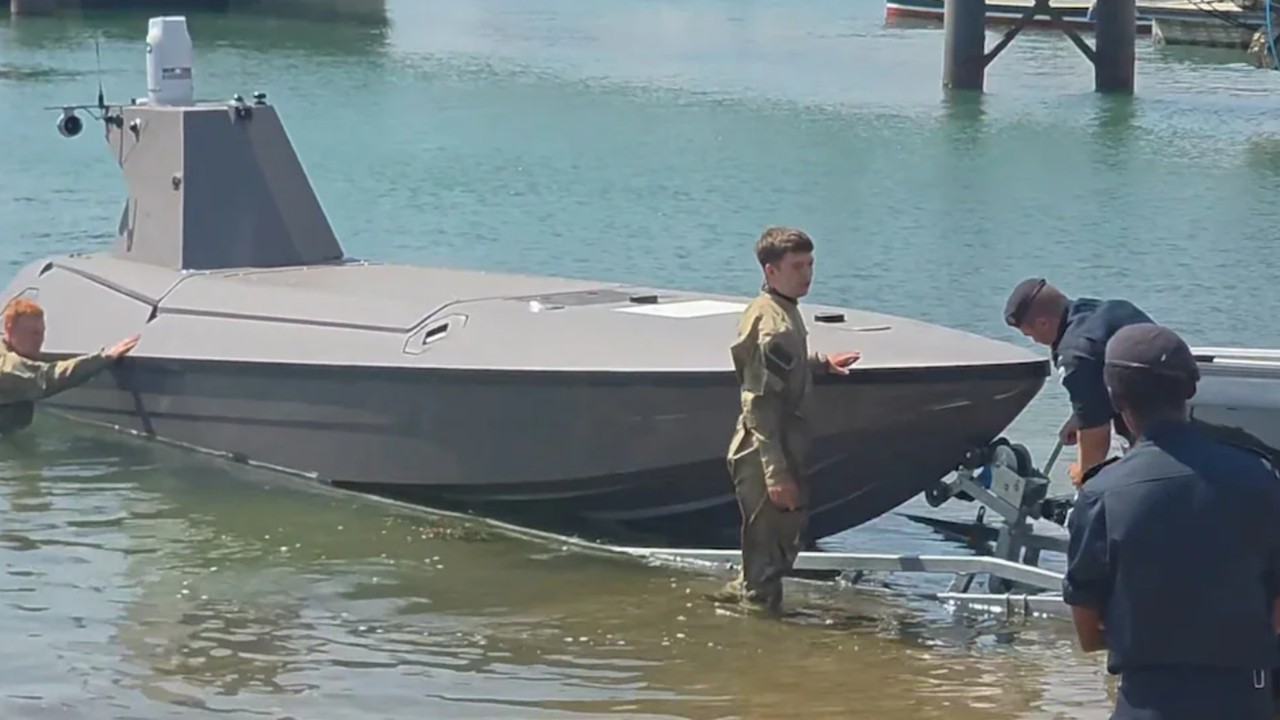
The Royal Navy has stripped internet connectivity from a fleet of K3 Scout surveillance drones after cameras were found sending signals to China.
A routine cyber vulnerability assessment uncovered so-called heartbeat communications passing between the drones‘ cameras and an IP address located in China.
The vessels, used by the Coastal Forces Squadron and 47 Commando, form part of a £12 million fleet purchased since March 2026.
Cameras kept transmitting despite assurances
Kraken Technology Group, the British defence contractor that supplied the K3 Scout drones, sourced the cameras from a third-party manufacturer based overseas.
The company had reportedly given assurances about the security of those components before they were ever fitted onto the vessels.
“We are aware that some third-party, NDAA-compliant cameras had a small number of components originating from outside the UK,” said a Kraken Technology Group spokesman.
“After a full audit by both Kraken and the Royal Navy we are confident no sensitive information has ever been shared outside of intended channels and any potential vulnerabilities have been identified and closed.”
Despite that reassurance, Kraken later admitted that checks on the origin of the components had failed and confidence in the platform had been lost entirely.
The Ministry of Defence maintained that its own networks and systems had not been affected by the discovery in any way.
“A thorough investigation found no evidence of MoD data or systems being compromised,” said a spokesman for the Ministry of Defence.
The K3 Scout, designed to carry a 600kg payload and operate continuously for 30 days, has also been bought by the US Special Operations Command.
It has also taken part in a series of Nato trials in the Baltic Sea alongside allied navies from the region.
The drones also formed part of a future defence package offered to help secure movement through the Strait of Hormuz.
Concerns grow over supply chain security
The breach has renewed scrutiny of the Government’s drone procurement strategy, which is backed by a £5 billion investment pledge.
The government has promised to make defence purchasing “unashamedly pro-Britain,” yet the case shows how deeply Chinese-made components remain embedded in British-labelled military hardware.
British officials argue that sovereignty itself is called into question when the origin of components inside military equipment cannot be fully guaranteed.
“If we cannot say with confidence what is inside our own military equipment, we cannot say it is ours, or that we are sovereign,” said Alicia Kearns, the shadow security minister.
“When cameras built on Chinese parts are found recording our special forces – their faces, training and operations – we should not be surprised, we should be furious that we still haven’t woken up to the realities of the threat we face.”
The episode follows years of warnings about Chinese components inside sensitive British infrastructure, including the eventual removal of Huawei equipment from the 5G network.
However, the Labour Government is trying to rebuild economic and diplomatic ties with Beijing and some ministers even visited Shanghai earlier this year.
Via The Telegraph


